
Procedures
What we do, and what it involves
Every procedure below is performed in our own units. For each one: what it is, how long it takes, what preparation is needed, and why it might be recommended for you.
Diagnostics and endoscopy
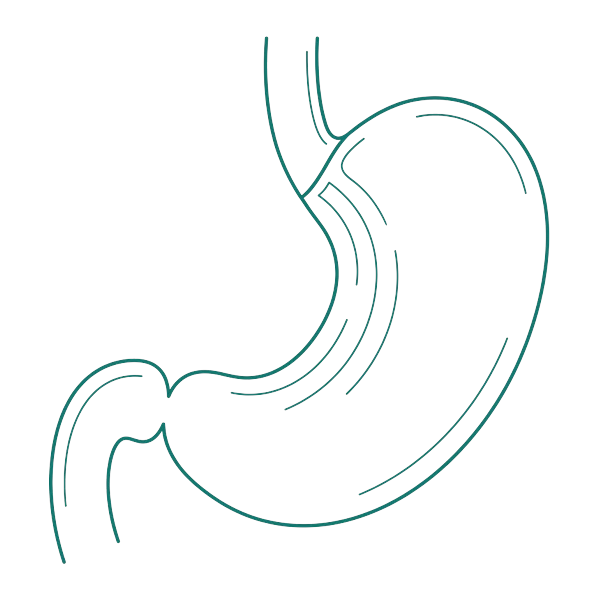
Upper GI Endoscopy
A thin flexible camera passed through the mouth to examine the food pipe, stomach and the first part of the small intestine.
10-15 minutes
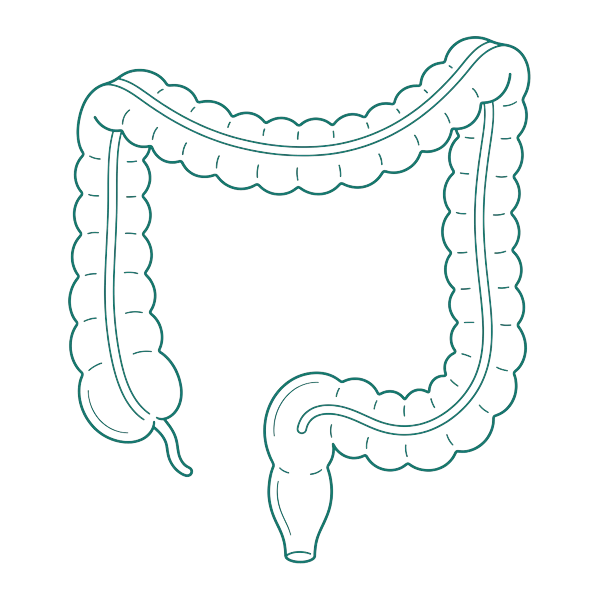
Colonoscopy
The same examination from the other end - a flexible camera that inspects the entire large bowel and the last part of the small bowel.
30-60 minutes

Endoscopic Ultrasound (EUS)
An ultrasound probe mounted on the tip of an endoscope, giving the closest possible view of the pancreas, liver and bile ducts.
30-60 minutes

ERCP
An endoscopic technique for treating blockages of the bile duct and pancreatic duct without open surgery.
45-90 minutes
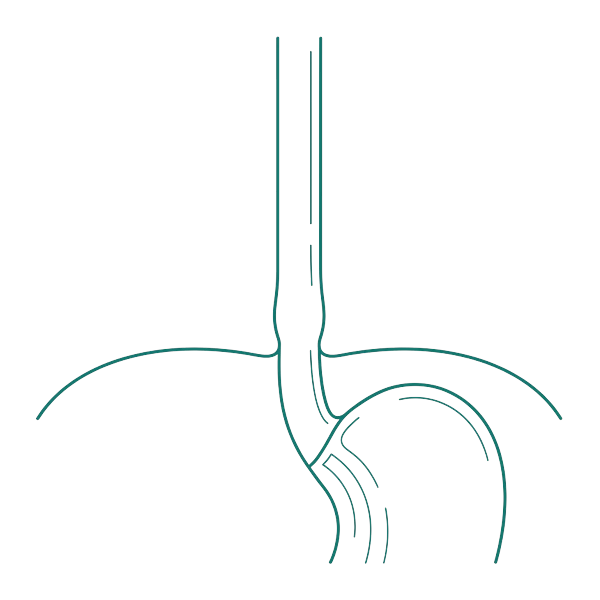
Manometry & 24-hour pH Study
A pressure test of the swallowing muscles, or of the anal muscles, that measures how well they are working.
15-20 minutes
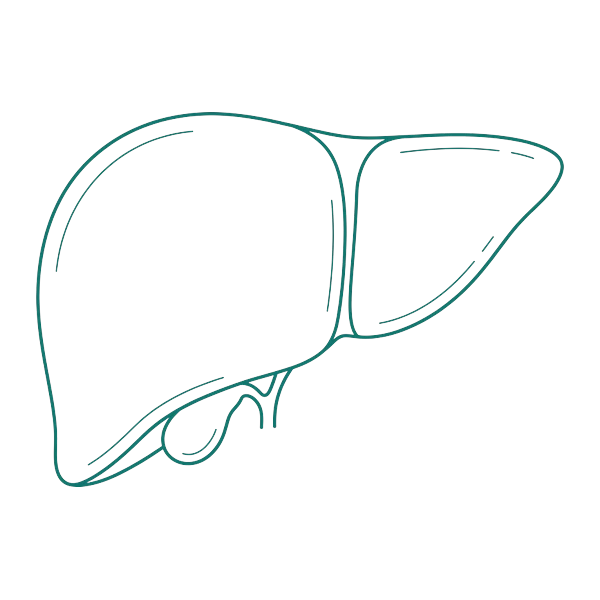
Fibroscan
A painless scan that measures how stiff the liver is - and how much fat it contains - without a biopsy.
10 minutes

Hydrogen Breath Test
You drink a sugar solution and breathe into an analyser every 15 to 30 minutes. Results are available the same day.
About 2 hours
Capsule Endoscopy
You swallow a camera the size of a large tablet. It photographs the small bowel as it travels and passes out naturally.
About 12 hours of recording
Narrow Band Imaging & HD Endoscopy
Special blue and green light that makes the tiny blood-vessel patterns of the gut lining visible.
Adds minutes to a standard scope
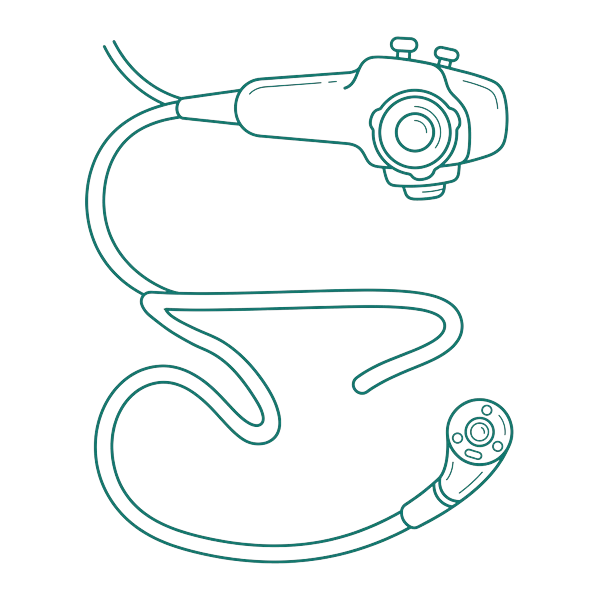
Advanced Endoscopy Centre
The therapeutic unit where the complex work is done, across three sets of Olympus endoscopes including a slim paediatric scope.
Varies by procedure
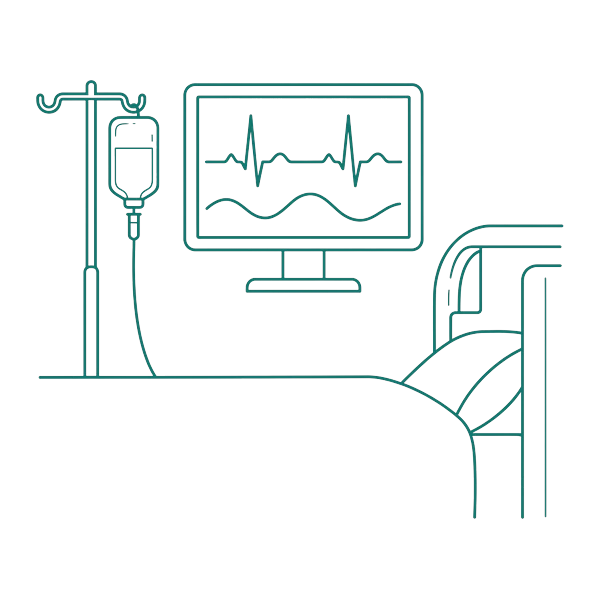
Gastro & Liver ICU
An intensive care unit dedicated to gut and liver emergencies rather than a general ICU bed.
24x7

Paediatric Gastroenterology
Gut and liver care for children, with a paediatric-calibre scope and a team used to small patients.
By appointment
Surgery
Led by our consultant surgical gastroenterologist, with hepato-pancreato-biliary and liver transplant fellowship training.
HPB Surgery
Surgery of the liver, bile ducts, gall bladder and pancreas - the most technically demanding area of gastrointestinal surgery.
GI Cancer Surgery
Cancer surgery of the digestive tract, planned with medical and radiation oncology input rather than in isolation.
Colorectal Surgery
Surgery of the colon, rectum and anus, including the common and painful conditions patients most often delay seeking help for.
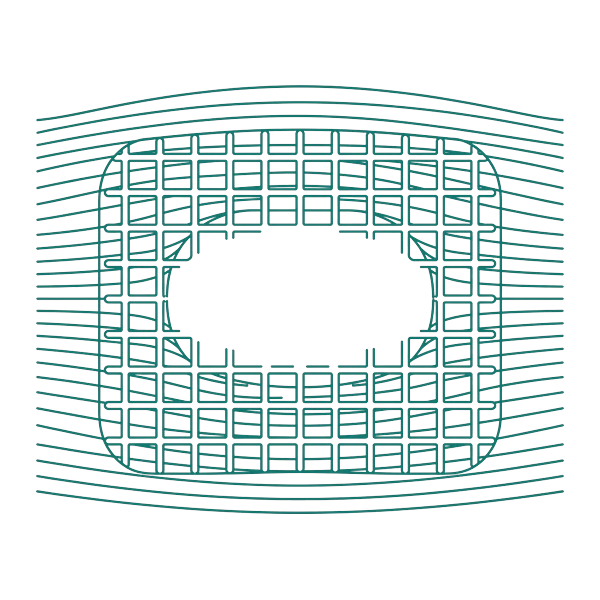
Hernia Surgery
Repair of a hernia - where tissue pushes through a weak spot in the muscle wall of the abdomen or groin, causing a bulge that often aches by the end of the day.
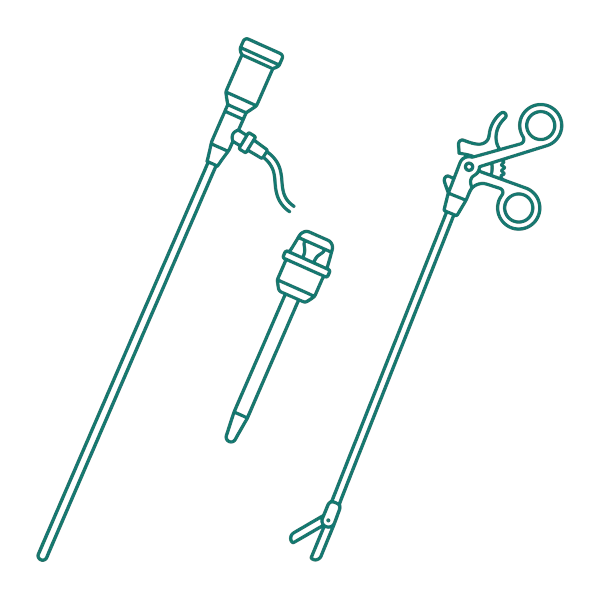
Laparoscopic Surgery
Keyhole surgery through a few small incisions, using a 3D laparoscopic camera system - less pain and a faster return to normal life.