
Colon & Rectal Cancer
Cancer of the large bowel. Around a quarter of cases run in families; the remaining three-quarters occur in people with no family history at all.
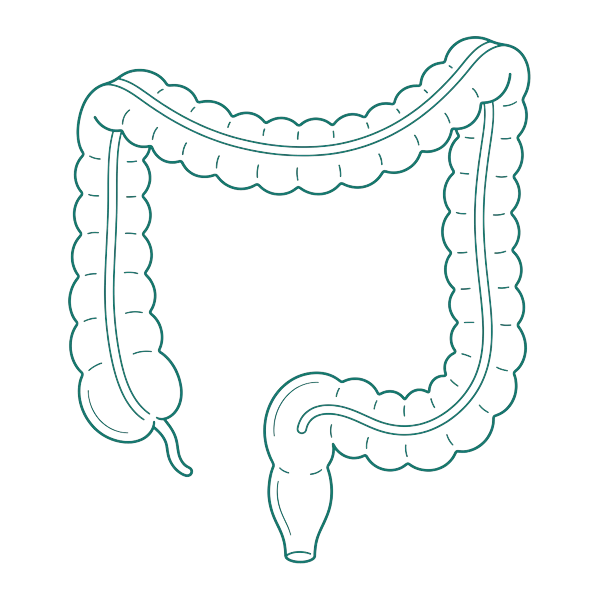
What is happening
It very often causes no symptoms in its early, most curable stage - which is the entire argument for screening. When symptoms do appear they may be anaemia from slow hidden bleeding, a change in bowel habit, or weight loss. Diagnosis is by colonoscopy with biopsy, and staging by CT, MRI or PET.
What helps
- Screening colonoscopy from age 45 for everyone, earlier with a family history
- Do not dismiss rectal bleeding as piles without an examination
- Keep weight, activity and alcohol in a sensible range
See a doctor promptly if you have
- Blood in the stool
- A persistent change in bowel habit
- Unexplained weight loss
- Iron-deficiency anaemia
How we investigate it
Almost always the answer comes from a careful history first, and only then a targeted test — not a panel of everything. Depending on what we find, that may be an endoscopy, a colonoscopy, a Fibroscan or a breath test. We will tell you why a test is being suggested, and what we would do differently depending on the result.
Speak to a gastroenterologist about colon & rectal cancer
Consultations at all four centres — Vastrapur, Bopal, Bapunagar and Nikol.